

PMOS-PCOD Treatment in Delhi
PMOS (Polycystic Ovary Syndrome) is a common hormonal and metabolic condition that can affect menstrual cycles, ovulation, skin, hair growth, body weight and fertility. The term PCOD (Polycystic Ovary Disease) is also commonly used, although PMOS is the medically recognised term for the condition.
Book an Appointment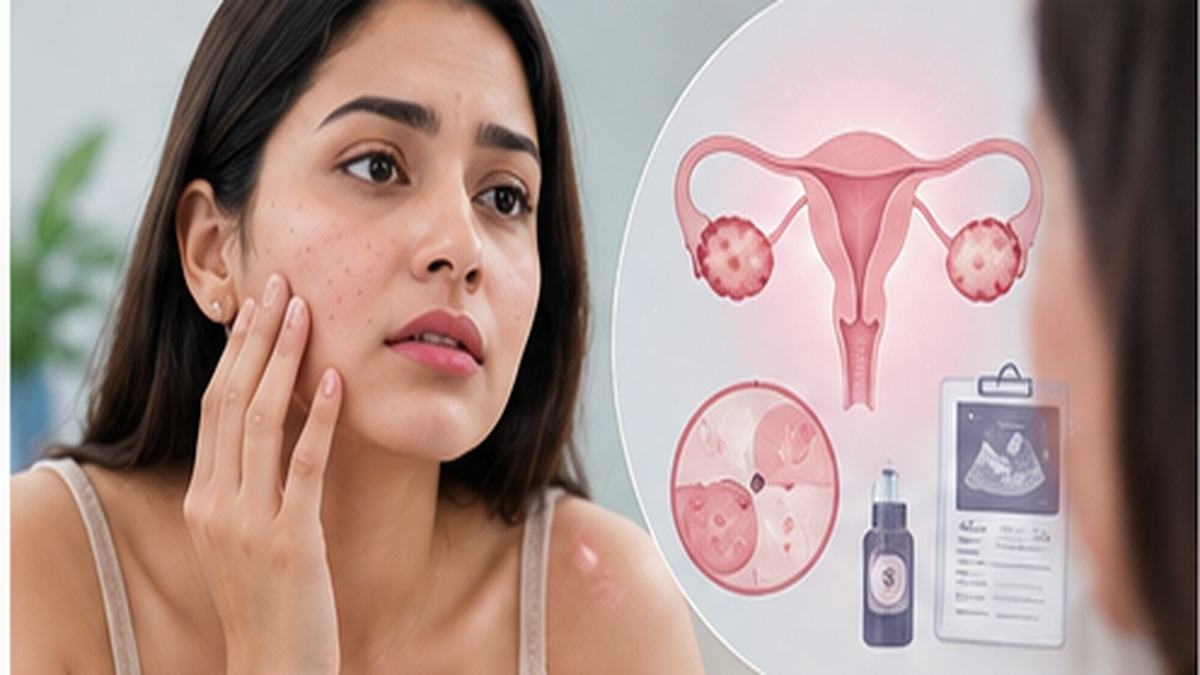
PMOS-PCOD Care by Dr. Shweta Gupta
PMOS (Polycystic Ovary Syndrome) is a common hormonal and metabolic condition that can affect menstrual cycles, ovulation, skin, hair growth, body weight and fertility. The term PCOD (Polycystic Ovary Disease) is also commonly used, although PMOS is the medically recognised term for the condition.
Dr. Shweta Gupta provides personalised PMOS-PCOD treatment in Delhi, helping women understand their symptoms, evaluate hormonal and metabolic health and develop an appropriate treatment plan based on their individual needs and reproductive goals.
What Can Cause PMOS-PCOD?
The exact cause of PMOS is not fully understood. Several factors may contribute to its development, including:
- Hormonal imbalance
- Insulin resistance
- Family history of PMOS
- Genetic factors
- Metabolic factors
- Increased androgen levels
- Lifestyle and weight-related factors in some women
PMOS can affect women differently, and not every woman with PMOS will experience the same symptoms.
Signs & Symptoms of PMOS-PCOD
PMOS symptoms can vary from mild to significant. Common symptoms may include:
- Irregular or missed periods
- Difficulty with ovulation
- Difficulty becoming pregnant
- Excess facial or body hair
- Acne or oily skin
- Thinning hair or hair loss from the scalp
- Weight gain or difficulty losing weight
- Darkened skin in certain areas
- Mood or metabolic concerns in some women
Some women may have PMOS with relatively few noticeable symptoms.
When Should You Consider PMOS-PCOD Evaluation?
A medical evaluation may be appropriate if you experience persistent menstrual irregularities, symptoms of hormonal imbalance or fertility concerns.
You may benefit from an evaluation if you have:
- Irregular or absent periods
- Difficulty becoming pregnant
- Excess facial or body hair
- Persistent acne
- Unexplained weight changes
- Hair thinning or hair loss
- Symptoms suggesting insulin resistance
- A previous diagnosis of PMOS requiring ongoing management
Early evaluation can help identify associated hormonal and metabolic concerns and support appropriate long-term management.
How Is PMOS-PCOD Diagnosed?
There is no single test that diagnoses PMOS. Diagnosis generally involves assessing symptoms, medical history, examination findings and appropriate investigations.
Medical & Menstrual History
The doctor reviews menstrual cycles, symptoms, fertility history, weight changes, medications and relevant family history.
Physical Examination
A clinical examination may assess body weight, blood pressure, signs of increased androgen activity and other relevant findings.
Hormonal Evaluation
Blood tests may be recommended to assess hormone levels and help rule out other conditions that can cause similar symptoms.
Ultrasound Examination
A pelvic or transvaginal ultrasound may be used to assess the ovaries and uterus. However, the appearance of polycystic ovaries on ultrasound alone does not necessarily mean that a woman has PMOS.
Metabolic Evaluation
Depending on the individual situation, tests may be recommended to assess blood sugar, cholesterol and other metabolic factors associated with PMOS.
PMOS-PCOD Treatment Options
Treatment depends on the woman's symptoms, health concerns, age and reproductive goals.
Depending on the individual situation, treatment may include:
- Lifestyle and nutrition guidance
- Weight management when appropriate
- Treatment for irregular periods
- Hormonal treatment
- Management of acne or excess hair growth
- Medicines to support ovulation when pregnancy is desired
- Treatment of insulin resistance or associated metabolic concerns
- Fertility treatment when required
There is no single treatment that is suitable for every woman with PMOS. Treatment is individualised according to symptoms and goals.
PMOS-PCOD Treatment for Irregular Periods
Irregular periods are common in PMOS because ovulation may occur infrequently or unpredictably.
Depending on the patient's circumstances, the doctor may recommend hormonal treatment or other approaches to help regulate menstrual cycles and protect the health of the uterine lining.
The appropriate treatment depends on whether pregnancy is currently desired.
PMOS-PCOD & Fertility
PMOS is one of the common causes of ovulation-related fertility difficulties. However, many women with PMOS can become pregnant with appropriate treatment.
When pregnancy is desired, fertility management may include:
- Assessment of ovulation
- Lifestyle and metabolic management
- Medicines to support ovulation
- Monitoring of follicular development when required
- IUI or IVF in selected cases
Treatment is planned according to the woman's age, ovarian function, other fertility factors and duration of trying to conceive.
PMOS-PCOD & Weight Management
Weight management may be an important part of PMOS care for women who are overweight or have metabolic concerns.
Even modest lifestyle changes may support metabolic health and, in some women, improve menstrual regularity and ovulation.
A personalised approach is important because PMOS can also occur in women who are not overweight.
Long-Term Management of PMOS-PCOD
PMOS is a long-term condition that may require ongoing monitoring. In addition to reproductive symptoms, some women with PMOS may have an increased risk of metabolic conditions.
Depending on individual risk factors, regular monitoring may include:
- Blood sugar assessment
- Cholesterol and lipid evaluation
- Blood pressure monitoring
- Menstrual cycle assessment
- Weight and metabolic health monitoring
Long-term management can help address both reproductive and general health concerns.
Why Choose Dr. Shweta Gupta?
17+ Years of Clinical Experience
Personalised PMOS-PCOD Care
Comprehensive Hormonal Evaluation
Individualised Treatment Planning
Fertility-Focused Treatment When Required
Long-Term Women's Health Management
Compassionate & Supportive Care
Frequently Asked Questions
PMOS (Polycystic Ovary Syndrome) is a common hormonal and metabolic condition that can affect menstrual cycles, ovulation, skin, hair growth, body weight and fertility. The term PCOD (Polycystic Ovary Disease) is also commonly used, although PMOS is the medically recognised term for the condition.
The exact cause of PMOS is not fully understood. Several factors may contribute to its development, including: Key points include Hormonal imbalance, Insulin resistance, Family history of PMOS, Genetic factors, Metabolic factors.
PMOS symptoms can vary from mild to significant. Common symptoms may include: Common concerns or symptoms include Irregular or missed periods, Difficulty with ovulation, Difficulty becoming pregnant, Excess facial or body hair, Acne or oily skin.
There is no single test that diagnoses PMOS. Diagnosis generally involves assessing symptoms, medical history, examination findings and appropriate investigations. The evaluation may include Medical & Menstrual History, Physical Examination, Hormonal Evaluation, Ultrasound Examination, and Metabolic Evaluation.
Treatment depends on the woman's symptoms, health concerns, age and reproductive goals. Options may include Lifestyle and nutrition guidance, Weight management when appropriate, Treatment for irregular periods, Hormonal treatment, Management of acne or excess hair growth, Medicines to support ovulation when pregnancy is desired.

Take the Next Step
If you are experiencing irregular periods, hormonal symptoms, weight-related concerns or difficulty becoming pregnant, a PMOS-PCOD consultation can help identify possible causes and appropriate treatment options.
Book an Appointment with Dr. Shweta Gupta for PMOS-PCOD treatment in Delhi.
Call: +91 9582373919