

Ovarian Cyst Treatment in Delhi
Ovarian cysts are fluid-filled sacs or other growths that develop in or on an ovary. Many ovarian cysts are benign and may disappear on their own, while some may require monitoring, medical treatment or surgery depending on their size, appearance, symptoms and underlying cause.
Book an Appointment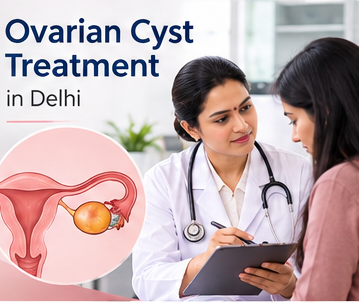
Ovarian Cyst Care by Dr. Shweta Gupta
Ovarian cysts are fluid-filled sacs or other growths that develop in or on an ovary. Many ovarian cysts are benign and may disappear on their own, while some may require monitoring, medical treatment or surgery depending on their size, appearance, symptoms and underlying cause.
Dr. Shweta Gupta provides personalised ovarian cyst consultation and treatment in Delhi, helping women understand their condition and determine the appropriate management based on their symptoms, medical history and diagnostic findings.
What Can Cause Ovarian Cysts?
Ovarian cysts can develop for several reasons. Common causes and types include:
- Functional ovarian cysts related to the menstrual cycle
- Follicular cysts
- Corpus luteum cysts
- Endometriotic cysts or endometriomas
- Polycystic ovaries
- Dermoid cysts
- Cystadenomas
- Hormonal factors
- Certain reproductive conditions
- Ovarian cysts associated with pregnancy
Most ovarian cysts are not cancerous, but the nature of a cyst should be assessed when it is persistent, large, complex or associated with concerning symptoms.
Signs & Symptoms of Ovarian Cysts
Many ovarian cysts do not cause noticeable symptoms and may be discovered during a routine examination or ultrasound.
When symptoms occur, they may include:
- Pelvic or lower abdominal pain
- Pain during sexual intercourse
- Abdominal fullness or bloating
- Irregular or painful periods
- Pressure in the pelvic area
- Frequent urination or bowel discomfort when a cyst is large
- Difficulty becoming pregnant in some cases
Sudden severe pelvic pain, particularly with nausea or vomiting, requires prompt medical evaluation because complications such as ovarian torsion or cyst rupture may occur.
When Should You Consider an Ovarian Cyst Evaluation?
A medical evaluation may be recommended if you experience persistent pelvic pain, menstrual changes, abdominal swelling or other symptoms that may be related to an ovarian cyst.
Evaluation is also important when:
- An ovarian cyst has been detected on an ultrasound
- The cyst is large or persistent
- The cyst has a complex appearance
- Symptoms are affecting daily activities
- There are fertility concerns
- The cyst changes during follow-up examinations
Early assessment helps determine whether observation, further investigation or treatment may be appropriate.
How Are Ovarian Cysts Diagnosed?
Depending on the individual situation, evaluation may include:
Medical & Menstrual History
The doctor reviews symptoms, menstrual cycles, previous pregnancies, fertility history, medications and relevant medical conditions.
Pelvic Examination
A clinical examination may be performed when appropriate to assess pelvic symptoms and identify areas of tenderness or other concerns.
Ultrasound Examination
Pelvic or transvaginal ultrasound is commonly used to assess the size, location and appearance of an ovarian cyst.
Blood Tests
Blood tests may sometimes be recommended depending on the appearance of the cyst, symptoms, age and other clinical factors.
Additional Investigations
Further imaging or investigations may be advised when the initial assessment indicates the need for more detailed evaluation.
Ovarian Cyst Treatment Options
Treatment depends on the type, size and appearance of the cyst, symptoms, age, reproductive plans and overall health.
Depending on the situation, management may include:
- Observation and follow-up ultrasound
- Treatment for associated hormonal or medical conditions
- Medicines for symptom management when appropriate
- Laparoscopic surgery for selected cysts
- Other surgical treatment when clinically required
Not every ovarian cyst requires surgery. The appropriate approach is determined after a comprehensive evaluation.
When Is Ovarian Cyst Surgery Considered?
Surgery may be considered when an ovarian cyst:
- Is large or continues to grow
- Persists over time
- Causes significant symptoms
- Has a complex or concerning appearance
- Is associated with complications such as torsion or rupture
- Requires removal for diagnostic reasons
- Is suspected to require further evaluation
Whenever possible, treatment planning takes reproductive goals and preservation of ovarian function into consideration.
Ovarian Cysts & Fertility
Some ovarian cysts have little or no effect on fertility, while certain conditions, such as endometriosis-related cysts, may be associated with fertility concerns.
If pregnancy is being planned, the doctor may consider the cyst's type, size, location and potential impact on ovarian function before recommending treatment.
Dr. Shweta Gupta provides individualised guidance to help women understand how an ovarian cyst may relate to their reproductive health and fertility plans.
Why Choose Dr. Shweta Gupta?
17+ Years of Clinical Experience
Personalised Women's Healthcare
Comprehensive Ovarian Evaluation
Individualised Treatment Planning
Medical & Surgical Treatment Guidance
Fertility-Focused Care When Required
Compassionate & Supportive Care
Frequently Asked Questions
Ovarian cysts are fluid-filled sacs or other growths that develop in or on an ovary. Many ovarian cysts are benign and may disappear on their own, while some may require monitoring, medical treatment or surgery depending on their size, appearance, symptoms and underlying cause.
Ovarian cysts can develop for several reasons. Common causes and types include: Key points include Functional ovarian cysts related to the menstrual cycle, Follicular cysts, Corpus luteum cysts, Endometriotic cysts or endometriomas, Polycystic ovaries.
Many ovarian cysts do not cause noticeable symptoms and may be discovered during a routine examination or ultrasound. Common concerns or symptoms include Pelvic or lower abdominal pain, Pain during sexual intercourse, Abdominal fullness or bloating, Irregular or painful periods, Pressure in the pelvic area.
Depending on the individual situation, evaluation may include: The evaluation may include Medical & Menstrual History, Pelvic Examination, Ultrasound Examination, Blood Tests, and Additional Investigations.
Treatment depends on the type, size and appearance of the cyst, symptoms, age, reproductive plans and overall health. Options may include Observation and follow-up ultrasound, Treatment for associated hormonal or medical conditions, Medicines for symptom management when appropriate, Laparoscopic surgery for selected cysts, Other surgical treatment when clinically required.

Take the Next Step
If you have been diagnosed with an ovarian cyst or are experiencing pelvic pain, menstrual changes or other related symptoms, a medical consultation can help determine the appropriate next steps.
Book an Appointment with Dr. Shweta Gupta for ovarian cyst consultation and treatment in Delhi.
Call: +91 9582373919