

Adenomyosis Treatment in Delhi
Adenomyosis is a condition in which tissue similar to the lining of the uterus grows into the muscular wall of the uterus. It may cause heavy menstrual bleeding, painful periods, pelvic discomfort and, in some women, fertility-related concerns.
Book an Appointment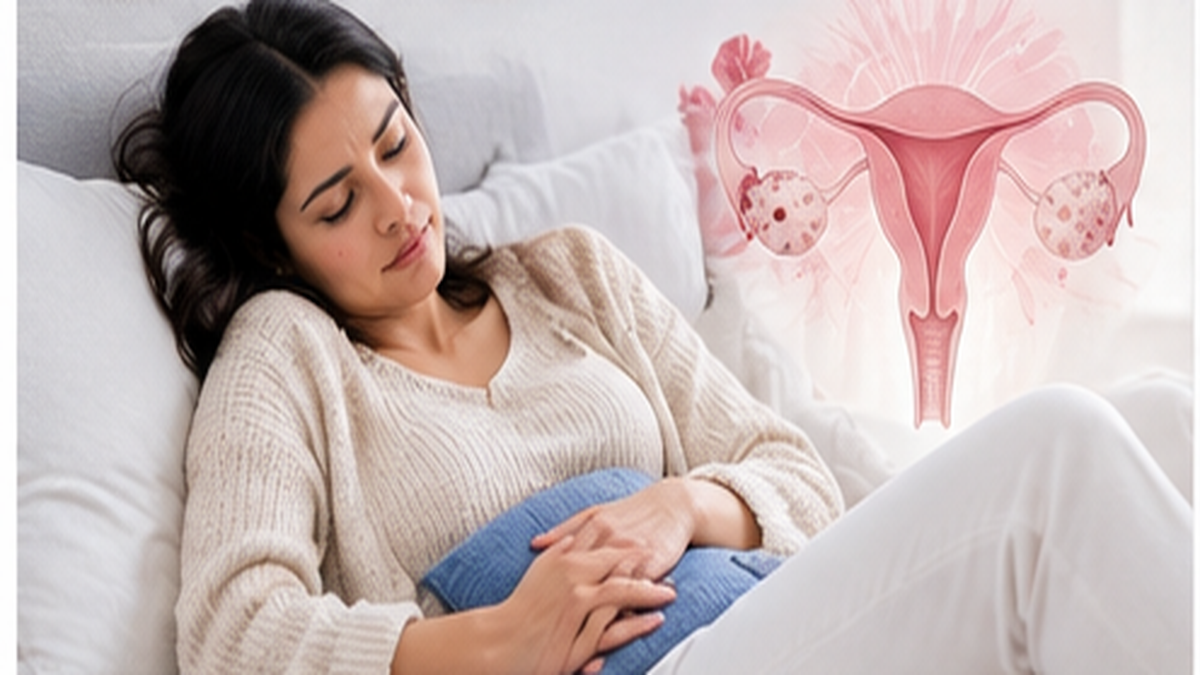
Adenomyosis Care by Dr. Shweta Gupta
Adenomyosis is a condition in which tissue similar to the lining of the uterus grows into the muscular wall of the uterus. It may cause heavy menstrual bleeding, painful periods, pelvic discomfort and, in some women, fertility-related concerns.
Dr. Shweta Gupta provides personalised adenomyosis treatment in Delhi, helping women understand their symptoms, evaluate the condition and choose an appropriate treatment approach based on their medical needs and reproductive goals.
What Can Cause Adenomyosis?
The exact cause of adenomyosis is not fully understood. Several factors may be associated with an increased likelihood of developing the condition, including:
- Previous pregnancy
- Previous uterine surgery
- Previous childbirth
- Increasing age during the reproductive years
- Other uterine conditions
- Hormonal influences
The condition can occur without any clearly identifiable cause.
Signs & Symptoms of Adenomyosis
Some women with adenomyosis may have no noticeable symptoms. When symptoms occur, they may include:
- Heavy or prolonged menstrual bleeding
- Painful periods
- Pelvic pain or pressure
- Abdominal bloating or fullness
- Pain during sexual intercourse
- Passing blood clots during periods
- Chronic pelvic discomfort
- Fatigue related to heavy menstrual bleeding
- Difficulty becoming pregnant in some cases
Symptoms can vary considerably from one woman to another.
When Should You Consider Adenomyosis Evaluation?
A medical evaluation may be appropriate if you experience persistent or worsening menstrual symptoms, particularly when they affect your daily activities.
You may benefit from an evaluation if you have:
- Very heavy menstrual bleeding
- Severe or worsening period pain
- Persistent pelvic pain
- Pain during sexual intercourse
- Enlarged or tender uterus
- Recurrent anaemia associated with heavy periods
- Fertility concerns
- Symptoms that do not improve with usual treatment
Early assessment can help identify the cause of symptoms and guide appropriate management.
How Is Adenomyosis Diagnosed?
Depending on the individual situation, evaluation may include:
Medical & Menstrual History
The doctor reviews menstrual patterns, bleeding severity, pain symptoms, previous pregnancies, surgeries and relevant medical history.
Pelvic Examination
A pelvic examination may help identify an enlarged, tender or otherwise abnormal uterus.
Ultrasound Examination
Pelvic or transvaginal ultrasound is commonly used to assess the uterus and identify features that may suggest adenomyosis.
MRI
An MRI may be recommended in selected cases when more detailed imaging is needed or when the diagnosis is uncertain.
Blood Tests
Blood tests may be recommended when heavy menstrual bleeding raises concerns about anaemia or other medical conditions.
Adenomyosis Treatment Options
Treatment depends on the severity of symptoms, age, overall health, reproductive plans and individual preferences.
Depending on the situation, options may include:
- Pain-relieving medicines
- Hormonal medicines
- Hormonal intrauterine systems in selected patients
- Medicines to help manage heavy menstrual bleeding
- Monitoring when symptoms are mild
- Minimally invasive or surgical treatment for selected cases
- Hysterectomy for women who have completed their family and have severe symptoms when other treatments are unsuitable
The appropriate treatment is determined after a comprehensive medical evaluation.
Medical Treatment for Adenomyosis
Medicines can help control pain and heavy menstrual bleeding associated with adenomyosis.
Depending on the individual's circumstances, the doctor may discuss:
- Anti-inflammatory pain medicines
- Hormonal contraceptive options
- Progesterone-based treatments
- Hormonal intrauterine systems
- Other medicines for controlling heavy menstrual bleeding
Treatment choice depends on symptoms, medical history, side effects and whether future pregnancy is desired.
Surgical Treatment for Adenomyosis
Surgery may be considered when symptoms are severe, persistent or do not respond adequately to medical treatment.
The appropriate surgical approach depends on the location and extent of adenomyosis, symptoms and reproductive plans.
For women who have completed their family and have severe adenomyosis, hysterectomy may be considered as a definitive treatment.
For women wishing to preserve fertility, treatment planning requires careful individual assessment.
Adenomyosis & Fertility
Adenomyosis may be associated with fertility difficulties in some women, although many women with the condition can become pregnant.
If pregnancy is being planned, treatment decisions may consider:
- Age
- Ovarian reserve
- Severity of adenomyosis
- Previous pregnancy history
- Duration of trying to conceive
- Other fertility factors
Dr. Shweta Gupta provides personalised guidance to help women understand how adenomyosis may relate to their reproductive health and fertility plans.
Managing Heavy Bleeding & Anaemia
Heavy menstrual bleeding associated with adenomyosis may contribute to iron deficiency or anaemia in some women.
Depending on the individual's condition, the doctor may recommend evaluation of blood levels and appropriate treatment for anaemia alongside management of the underlying menstrual symptoms.
Long-Term Management of Adenomyosis
Adenomyosis can be a long-term condition, and symptoms may change over time. Treatment may involve ongoing medical management, monitoring and, when appropriate, surgical intervention.
Regular follow-up can help assess symptom control and adjust treatment according to the patient's changing health and reproductive goals.
Why Choose Dr. Shweta Gupta?
17+ Years of Clinical Experience
Personalised Adenomyosis Care
Comprehensive Gynecological Evaluation
Individualised Treatment Planning
Medical & Surgical Treatment Guidance
Fertility-Focused Care When Required
Compassionate & Supportive Care
Frequently Asked Questions
Adenomyosis is a condition in which tissue similar to the lining of the uterus grows into the muscular wall of the uterus. It may cause heavy menstrual bleeding, painful periods, pelvic discomfort and, in some women, fertility-related concerns.
The exact cause of adenomyosis is not fully understood. Several factors may be associated with an increased likelihood of developing the condition, including: Key points include Previous pregnancy, Previous uterine surgery, Previous childbirth, Increasing age during the reproductive years, Other uterine conditions.
Some women with adenomyosis may have no noticeable symptoms. When symptoms occur, they may include: Common concerns or symptoms include Heavy or prolonged menstrual bleeding, Painful periods, Pelvic pain or pressure, Abdominal bloating or fullness, Pain during sexual intercourse.
Depending on the individual situation, evaluation may include: The evaluation may include Medical & Menstrual History, Pelvic Examination, Ultrasound Examination, MRI, and Blood Tests.
Treatment depends on the severity of symptoms, age, overall health, reproductive plans and individual preferences. Options may include Pain-relieving medicines, Hormonal medicines, Hormonal intrauterine systems in selected patients, Medicines to help manage heavy menstrual bleeding, Monitoring when symptoms are mild, Minimally invasive or surgical treatment for selected cases.
Take the Next Step
If you are experiencing heavy periods, severe menstrual pain, persistent pelvic discomfort or fertility concerns, an adenomyosis consultation can help identify possible causes and appropriate treatment options.
Book an Appointment with Dr. Shweta Gupta for adenomyosis treatment in Delhi.
Call: +91 9582373919